LED lighting for indoor tennis and padel halls
In an indoor tennis hall, players look straight up when serving and for high balls. Good hall lighting therefore does not dazzle from the ceiling, also lights the run-off behind the baseline and is ball-impact resistant. DIN EN 12193 gives 300 lx for training, 500 lx for regional competitions and 750 lx for a high competition level in indoor tennis halls.
As of:
Send an enquiry for hall lighting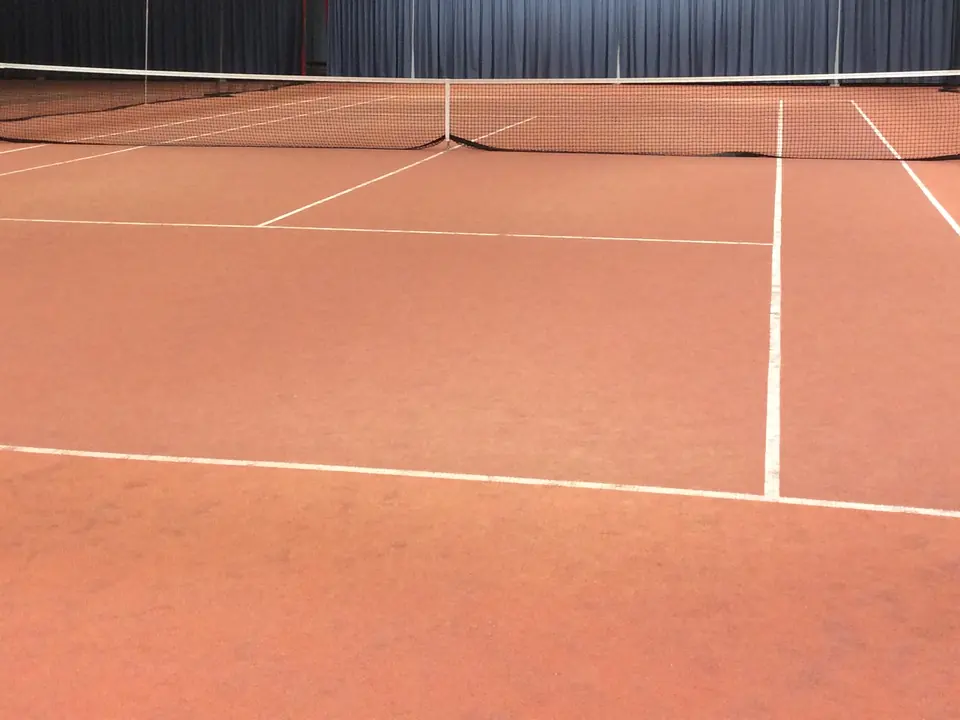
What matters in hall lighting
No glare when looking up
So that players do not look into the luminaires when serving and for high balls, these are arranged parallel to the long sides of the courts, not above the playing surface.
Light the run-off too
Players often act beside and behind the court too, so illuminance may drop only slightly for a few metres beyond the side lines.
Ball-impact resistant
Our Series 07 high-bay luminaires are ball-impact resistant.
Switchable court by court
In halls with several courts, the light can be switched and dimmed per court.
blendarm
geplant
Glare when looking up
When serving and for high balls, players look straight up at the ceiling. We therefore plan the luminaires at the side and with low-glare optics.
- Layout
- Optics
- Low-glare luminaires
Light by playing level
| Average illuminance | Playing level | Lighting class | Uniformity | Glare rating |
|---|---|---|---|---|
| 300lx | Training, school and recreational sport | Class III | U 0.5 | |
| 500lx | Regional and local competitions | Class II | U 0.7 | |
| 750lx | High competition level | Class I | U 0.7 |
Tennis lighting requirements by league, outdoors and indoors
What do the values mean?
Lux tells you how much light reaches the pitch. Uniformity shows how evenly it is distributed, and the glare rating how strongly the floodlights cause glare.
MoreLess
Illuminance (lx): How much light falls on a surface. 1 lx equals 1 lumen per square metre. For sports facilities, the average horizontal illuminance on the playing area is usually given.
Uniformity (U): Lowest divided by average illuminance. The closer the value is to 1, the more even the light.
Glare rating (GR): Assesses how strongly floodlights cause glare at outdoor facilities, on a scale from 10 (no glare) to 90 (unbearable glare).
Suitable floodlights
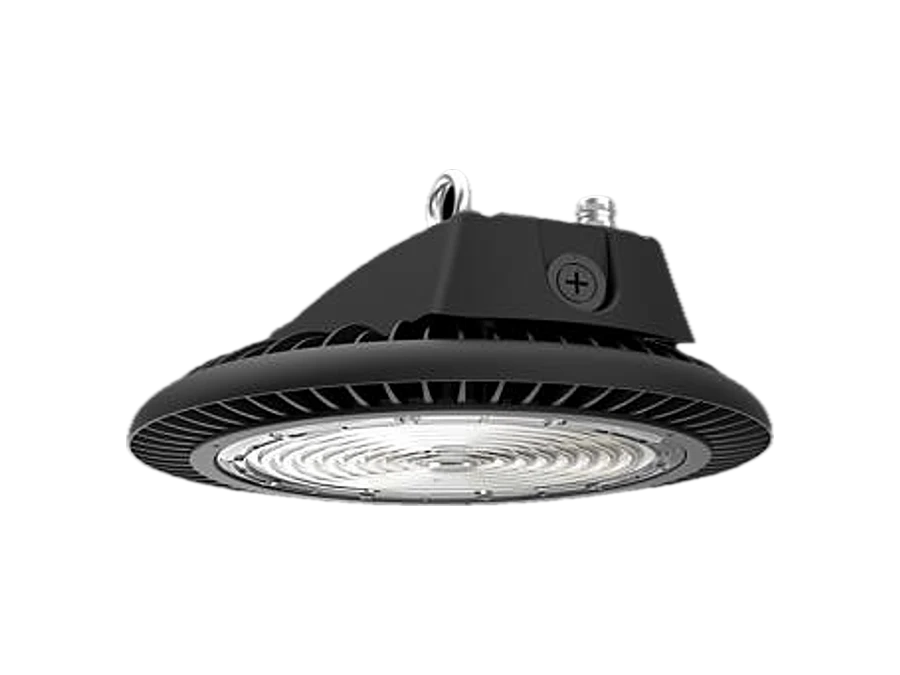
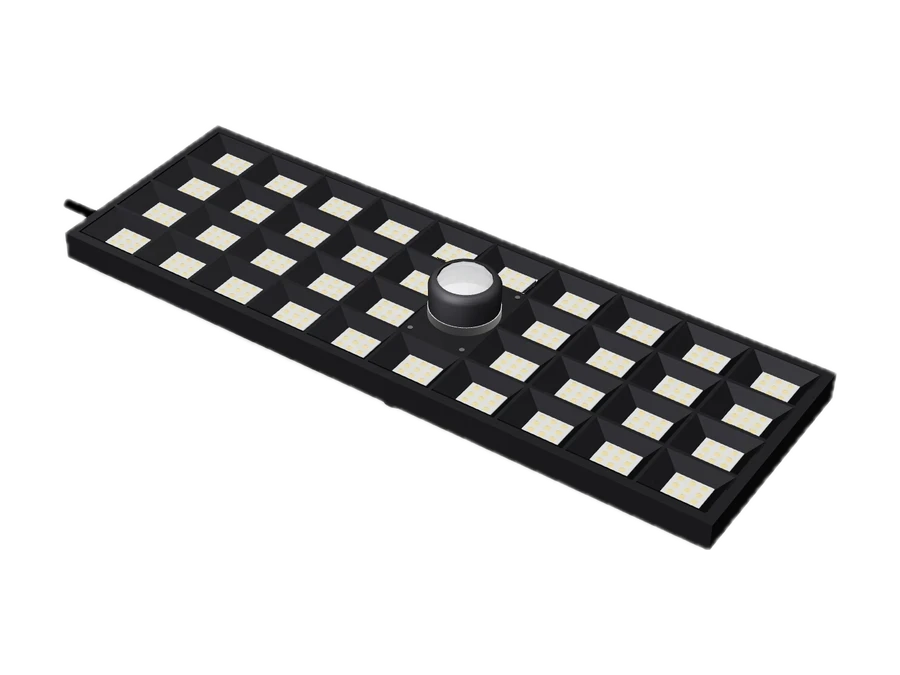
For indoor tennis and padel halls, the 07v5 ECO or the Series 14 continuous light line usually suit, and with special mounting also the 07v6.
- Series 07
07v5 ECO
Halls with robust requirements: riding halls, multi-purpose, tennis and padel halls, storage and multi-purpose halls.
- Colour temperature
- 3000 K, 4000 K, 5000 K
- Power
- 150–300 W
- Weight
- 8.7–9.5 kg
Datasheet as PDF (286 KB) - Series 07
07v6
Riding halls, sports halls, exhibition areas, industrial and commercial halls. Extremely low-glare.
- Colour temperature
- 3000 K, 4000 K, 5000 K
- Power
- 100–200 W
- Weight
- 4.25 kg
Datasheet as PDF (298 KB)
Emergency lighting needed too?
If needed, you can get emergency lighting for your site through our sister brand NOTLUX.
To NOTLUXFrequently asked questions
How many lux does an indoor tennis hall need?
Under DIN EN 12193, at least 300 lx for training and recreational sport, 500 lx for regional competitions and 750 lx for a high competition level.
Where are the luminaires mounted in an indoor tennis hall?
At the side along the courts, not above the playing surface. This way they do not dazzle when players look up for a serve or a high ball.
Can each court be switched individually?
Yes. With a control system, courts can be switched and dimmed separately, for example to match bookings.
Do the same values apply to indoor padel halls?
Not automatically. Padel has its own requirements, for example because of the glass walls. We check the values for your hall separately.
Send an enquiry for hall lighting
Location and contact details are enough. We will get back to you with an initial assessment for your hall.
Talk directly